
The psychology behind gambling Understanding the mind's traps at Wprld Cup 2026 Prediction Tomorrow
The psychology behind gambling Understanding the mind's traps at Wprld Cup 2026 Prediction Tomorrow
The Allure of Gambling in Major Events
Gambling during major sporting events, such as the World Cup, can be incredibly enticing. The excitement of high-stakes matches combined with the potential for financial reward plays on psychological impulses. This blend often leads individuals to overlook the risks associated with gambling, focusing instead on the thrill of a potential win. For example, the WC Predictions Tomorrow forecast via wcpredictionstomorrow.com offers insights that might help bettors make informed decisions. The allure is amplified by the social aspect; friends and family may gather to watch games, making the experience feel even more exhilarating.
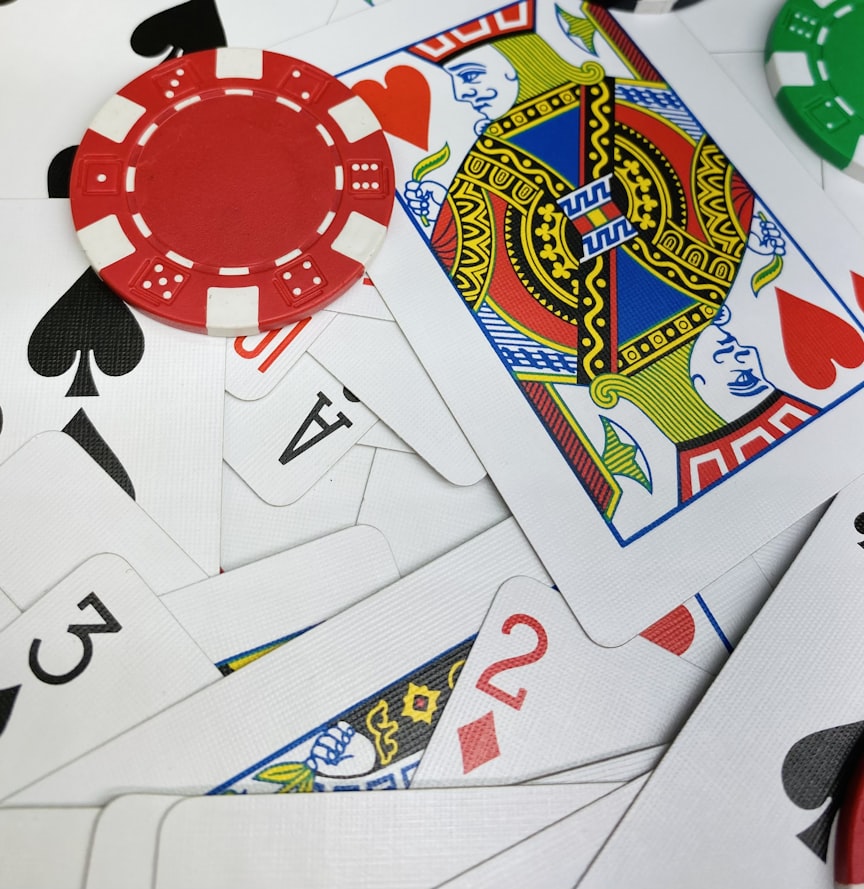
Moreover, the notion of luck plays a significant role in gambling psychology. Many individuals believe they possess a unique ability to predict outcomes based on intuition or past experiences. This belief can create a false sense of confidence, driving them to place wagers even when the odds are against them. During events like the World Cup, this effect is particularly pronounced, as the stakes feel higher and the rush of the crowd can lead to impulsive decision-making.
Additionally, cognitive biases come into play. Gambler’s fallacy, for instance, can lead individuals to believe that past results influence future outcomes. A team’s prior losses or wins may color perceptions and influence betting behavior. Such cognitive traps are deeply rooted in psychology, making it crucial for bettors to be aware of their own thought processes when engaging in gambling during significant events like the World Cup.
The Psychological Traps in Betting
Understanding the psychological traps in betting is essential for anyone participating in gambling during the World Cup. One of the most common traps is overconfidence, where bettors overestimate their predictive abilities. This can be particularly dangerous during high-profile events, as emotions can cloud judgment, causing individuals to wager larger amounts than they normally would. The surge of adrenaline experienced during games can further exacerbate this tendency, leading to poor decision-making.
Another significant trap is the desire for instant gratification. In a world where everything is fast-paced, the immediate satisfaction derived from betting outcomes can encourage reckless gambling. This is particularly relevant during the World Cup, where matches occur in quick succession. The rapid nature of the event can cause bettors to chase losses, placing additional bets in hopes of recouping what they’ve lost, further entrenching them in a cycle of gambling.
Moreover, social pressures can amplify these psychological traps. The environment of watching a World Cup match is charged with enthusiasm, and the collective excitement can spur individuals to engage in betting. Friends and peers may influence decisions, often leading individuals to make choices they wouldn’t typically consider. This social dynamic can cloud rational thought and foster a gambling mindset that overlooks personal risk tolerance and financial limits.
The Role of Cognitive Biases
Cognitive biases are critical in understanding gambling behaviors during major sporting events. Confirmation bias, for instance, leads bettors to focus on information that supports their pre-existing beliefs while ignoring contradicting evidence. If a bettor believes a particular team is likely to win, they may selectively focus on past performances that reinforce this belief while dismissing any statistics that suggest otherwise. This mindset can lead to skewed betting decisions during the World Cup.
Another prevalent bias is the illusion of control. Many bettors convince themselves that they can influence outcomes through their choices or behaviors. This sense of control can create a false security, encouraging additional wagers and leading to larger financial risks. The World Cup, with its unpredictable nature, can intensify this illusion, as fans often feel a personal connection to their teams, leading them to believe they are somehow part of the outcome.
Lastly, the hot-hand fallacy also plays a role in gambling psychology. This bias leads individuals to believe that a player or team that has experienced success will continue to do so. During the World Cup, this can translate to bettors placing bets based on a team’s recent performances without considering the broader context, such as the quality of their opponents or other situational factors. Understanding these biases is essential for making informed betting decisions and mitigating risks.
Strategies for Responsible Betting
To navigate the psychological traps of gambling during the World Cup, developing strategies for responsible betting is crucial. Setting clear limits before placing bets can help maintain discipline. Bettors should determine in advance how much they are willing to stake and stick to that budget. This approach not only mitigates financial risk but also encourages more mindful betting, allowing individuals to enjoy the experience without the stress of potential losses.
Moreover, educating oneself on the nature of odds and probabilities can significantly enhance betting decisions. Rather than relying on gut feelings or emotional responses, bettors should seek to understand the statistical realities behind their wagers. Utilizing resources that analyze team performance, player conditions, and other situational factors can provide a more rational basis for betting, thereby reducing the influence of cognitive biases.
Lastly, it’s essential to foster a mindset focused on enjoyment rather than solely on winning. By viewing betting as a form of entertainment rather than a means to financial gain, bettors can reduce the psychological pressure associated with losses. Emphasizing the thrill of the game and the experience of watching the World Cup can help individuals maintain a balanced perspective while participating in betting activities.

Wprld Cup 2026 Prediction Tomorrow
For those interested in informed betting decisions during the World Cup, resources like Wprld Cup 2026 Prediction Tomorrow offer valuable insights. This platform helps users navigate the complexities of tournament football by providing expert analysis based on situational factors that influence match outcomes. By focusing on aspects beyond just team reputation, bettors can access tailored tips that enhance their betting experience.
Wprld Cup 2026 Prediction Tomorrow emphasizes the importance of understanding game structure and market dynamics. With this approach, bettors can make informed predictions that consider various factors impacting match outcomes. The website provides detailed insights into group stage strategies and potential value in different betting markets, enabling users to maximize their chances of success while engaging in responsible gambling.
Utilizing such resources not only enhances the overall betting experience during the World Cup but also promotes a more educated approach to gambling. As the excitement of the tournament draws near, platforms like Wprld Cup 2026 Prediction Tomorrow serve as vital tools for anyone looking to navigate the intricate world of betting while remaining mindful of psychological traps and ensuring a responsible gambling experience.